
Removing Wisdom Teeth Before They Cause Bigger Problems
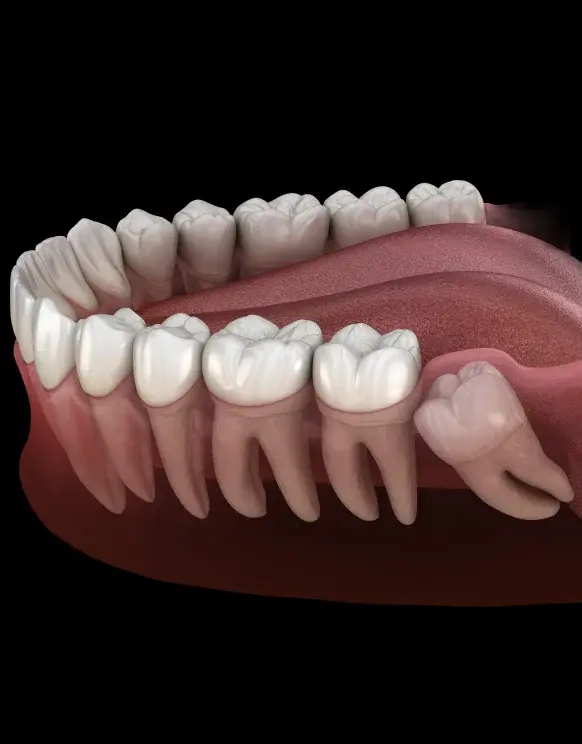
Wisdom teeth, also known as third molars, are the last set of teeth to develop and typically emerge in the late teens or early twenties. For most people, there simply is not enough room in the jaw to accommodate these additional molars, and when they attempt to erupt in a crowded or obstructed space, they can cause a range of painful and damaging complications. At Smiles of Punta Gorda, we monitor the development of wisdom teeth as part of every patient’s routine care and recommend removal when it is in the best interest of the patient’s long-term oral health.
Wisdom tooth removal is one of the most common oral surgery procedures performed in dental offices, and our experienced team performs it with precision and a genuine commitment to patient comfort. Local anesthesia is used to ensure you feel no pain during the procedure, and our oral sedation options are available for patients who want to feel calm and relaxed throughout. Our headphones are always on hand if you would like to listen to music during your appointment. Most patients recover comfortably within a few days and are back to their normal routine quickly.
Schedule Your Wisdom Tooth EvaluationWhy Wisdom Teeth Often Need to Be Removed
Not all wisdom teeth cause problems, and when they erupt fully, are positioned correctly, and can be properly cleaned, removal may not be necessary. However, in many patients one or more wisdom teeth become problematic in one of the following ways:
- Impaction – An impacted wisdom tooth is one that is unable to fully erupt because it is blocked by the adjacent tooth, the jawbone, or both. Impacted wisdom teeth can be partially impacted, breaking through the gum partially but not fully erupting, or fully impacted, remaining entirely below the gumline. Both situations create significant risk for infection, cyst formation, and damage to the neighboring second molar.
- Crowding and Shifting – Even when wisdom teeth do erupt, the pressure they exert on the existing teeth can cause crowding and shifting, undoing the results of orthodontic treatment and disrupting a previously well-aligned smile. Removing wisdom teeth before or during orthodontic treatment is often recommended to protect the alignment outcome.
- Infection and Pericoronitis – When a wisdom tooth is partially erupted, the flap of gum tissue that partially covers it creates a pocket where bacteria and food debris accumulate. This frequently leads to an infection called pericoronitis, which causes pain, swelling, difficulty opening the mouth, and in some cases fever. Recurrent pericoronitis is a strong indication for removal.
- Decay – Wisdom teeth sit at the very back of the mouth and are difficult to clean effectively. They are disproportionately prone to developing cavities, and when decay develops in a wisdom tooth it often spreads to the adjacent second molar as well. Removal eliminates this ongoing risk.
- Cyst Formation – An impacted wisdom tooth can develop a fluid-filled sac called a follicular cyst around it. If left untreated, these cysts can grow and cause damage to the surrounding bone, nerves, and neighboring teeth. Removing the impacted tooth before a cyst forms, or early in its development, prevents this damage from occurring.
What to Expect During Wisdom Tooth Removal
Wisdom tooth removal at Smiles of Punta Gorda follows a clear, well-managed process designed to prioritize your safety and comfort at every stage. Whether your wisdom teeth are fully erupted or fully impacted, our team has the experience and technology to handle the procedure efficiently and with minimal disruption to the surrounding tissue.

1
Evaluation and X-Rays
We begin with a thorough examination and digital X-rays to assess the position, depth, and angulation of the wisdom teeth and evaluate the surrounding bone and nerve structures. This information allows us to plan the safest and most efficient approach to each extraction.
2
Anesthesia and Sedation
The treatment area is thoroughly numbed with local anesthesia before we begin. For patients who prefer to be more relaxed during the procedure, oral sedation is available and highly recommended for surgical wisdom tooth removal. You will remain conscious and able to respond but will feel calm and at ease throughout. If you choose oral sedation, you will need a trusted adult to drive you home afterward.
3
Extraction
For wisdom teeth that have fully erupted, the procedure is similar to a standard extraction. For impacted wisdom teeth, a small incision is made in the gum tissue to access the tooth, and the tooth may be sectioned into smaller pieces to allow for safer and easier removal. Our team works carefully and methodically to minimize trauma to the surrounding tissue throughout the procedure.
4
Closure and Clot Formation
Once the tooth is removed, the site is cleaned thoroughly and the gum tissue is sutured closed if needed. Gauze is placed over the socket and you will be asked to bite down gently to encourage clot formation, which is essential for proper healing.
5
Recovery Instructions and Follow-Up
Before you leave, we provide detailed written aftercare instructions and answer any questions you have about your recovery. A follow-up appointment is scheduled to check your healing and remove any sutures if needed.
When Should Wisdom Teeth Be Removed?
The best time to remove wisdom teeth is typically in the late teens or early twenties, before the roots have fully formed and the bone surrounding the teeth has hardened. Younger patients tend to heal faster and experience fewer complications than those who wait until the wisdom teeth have fully matured. However, problematic wisdom teeth can and should be addressed at any age when they are causing symptoms or posing a clear risk to oral health.
At Smiles of Punta Gorda, we monitor the development of wisdom teeth at every routine checkup using digital X-rays. When we see signs that wisdom teeth are likely to become problematic, we discuss the timing of removal proactively rather than waiting for symptoms to develop. Early intervention consistently results in easier procedures and smoother recoveries.
Insurance and Financing for Wisdom Teeth Removal
Wisdom tooth removal is generally covered at least partially by most dental insurance plans, particularly when the teeth are impacted or causing clinical symptoms. Coverage varies by plan and by the complexity of the extractions involved. Our front office team will verify your benefits before your appointment and provide a clear breakdown of your estimated costs so there are no surprises.
For patients managing out-of-pocket expenses, financing through CareCredit and Cherry is available with flexible monthly payment options and a straightforward application process.
Learn How We Make Treatment AccessibleDo Not Wait for Wisdom Tooth Pain to Get Worse
Wisdom tooth problems rarely resolve on their own and tend to worsen over time when left unaddressed. If you are experiencing pain, swelling, or pressure at the back of your mouth, or if you have been told your wisdom teeth need monitoring, contact Smiles of Punta Gorda today to schedule an evaluation at our Punta Gorda, FL dental office.
Schedule Your Wisdom Tooth EvaluationFrequently Asked Questions
About Wisdom Teeth Removal
The most reliable way to assess your wisdom teeth is through a dental evaluation with digital X-rays, which allows our team to see the position of the teeth, how they are developing, and whether they are likely to cause problems. Common signs that wisdom teeth may need to be removed include pain or pressure at the back of the jaw, swelling or tenderness in the gum tissue behind the last molar, difficulty opening the mouth, recurring infections in the area, or crowding of the front teeth. However, wisdom teeth can be problematic even when they are not causing obvious symptoms, which is why regular monitoring is important.
The procedure is performed under local anesthesia so you should not feel pain during the removal. You may be aware of pressure and movement, but these sensations are not painful. Oral sedation is available for patients who want to feel more relaxed throughout. Post-procedure soreness and swelling are normal and typically peak around the second day before gradually improving. Most patients find the recovery more manageable than they anticipated, particularly with proper aftercare.
It depends on the clinical situation. In many cases, removing all four wisdom teeth in a single appointment is the most efficient approach and requires only one recovery period. In some cases, such as when the teeth are at very different stages of development or when the procedure is particularly complex, staging the removals may be more appropriate. Our team will recommend the approach that best balances efficiency and safety based on your specific situation.
An impacted wisdom tooth is one that is unable to fully erupt into its proper position because it is blocked by the adjacent tooth, bone, or both. Impacted wisdom teeth may be partially impacted, where part of the crown breaks through the gum but the tooth does not fully erupt, or fully impacted, where the tooth remains entirely beneath the gum and bone. Both types carry a significant risk of infection, cyst formation, and damage to the neighboring teeth if not addressed.
If you are having oral sedation, you will typically need to avoid eating or drinking for a period of time before your appointment, as directed by our team. For procedures performed under local anesthesia only, eating a light meal beforehand is generally fine. We will provide specific pre-procedure instructions based on your planned sedation approach when you schedule your appointment.
Dry socket occurs when the blood clot in the extraction socket is dislodged or dissolves before the site has healed, exposing the underlying bone and nerves. Signs include a significant increase in pain two to four days after the procedure, pain that radiates to the ear or jaw, a visible empty socket or exposed bone when you look in the mirror, and a bad taste or odor from the area. If you experience these symptoms, contact our office right away so we can treat the area and provide relief.
Most patients are comfortable returning to light work or school within two to three days of a standard surgical extraction. Jobs or activities that require physical exertion, talking extensively, or exposure to dust or debris may require a longer recovery period. We will provide specific guidance based on the complexity of your procedure and the nature of your daily activities.
Wisdom tooth removal is generally covered at least partially by most dental insurance plans, particularly for impacted teeth or extractions with a documented clinical necessity. The extent of coverage depends on your specific plan and the complexity of the procedure. Our front office team will verify your benefits and provide a cost estimate before your appointment. Financing through CareCredit and Cherry is available for any remaining out-of-pocket balance.