
A Trusted Solution for Replacing Missing Teeth
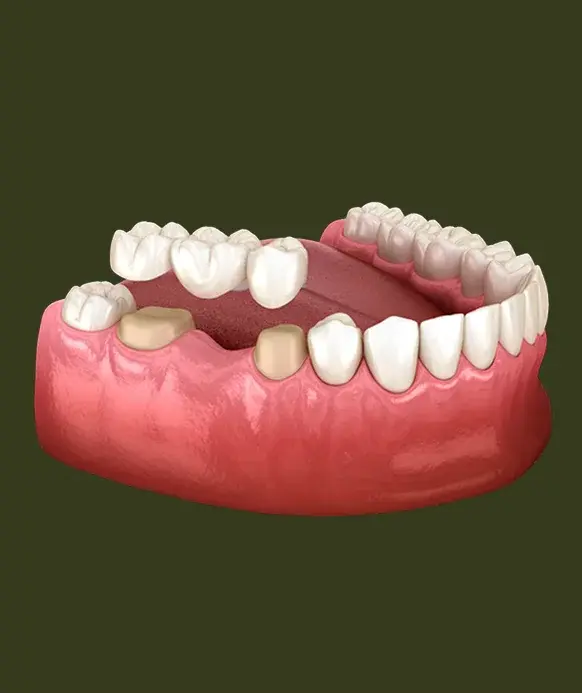
A dental bridge is a fixed restoration that literally bridges the gap left by one or more missing teeth. It consists of one or more artificial teeth, called pontics, held in place by crowns that are anchored to the natural teeth or implants on either side of the space. Once placed, a bridge is permanently fixed in your mouth and functions just like your natural teeth, allowing you to chew, speak, and smile without the limitations that come with a missing tooth.
At Smiles of Punta Gorda, we offer both traditional tooth-supported bridges and implant-supported bridges, giving patients options based on their specific oral health situation, bone structure, and personal preferences. Whether you are missing a single tooth or several consecutive teeth, our team will evaluate your mouth thoroughly and help you understand which type of bridge is the most appropriate and durable solution for your smile.
Explore Your Bridge OptionsTypes of Dental Bridges We Offer
- Traditional Tooth-Supported Bridge: The most common type of dental bridge, a traditional bridge is anchored to the healthy natural teeth on either side of the gap, known as abutment teeth. These teeth are prepared by removing a small amount of enamel to accommodate the crowns that will hold the bridge in place. The pontic, or artificial tooth, spans the gap between them. Traditional bridges are strong, durable, and a well-established solution for replacing one or more missing teeth in a row.
- Implant-Supported Bridge: For patients who prefer not to alter the adjacent natural teeth, or who do not have suitable abutment teeth on both sides of the gap, an implant-supported bridge is an excellent alternative. Instead of relying on neighboring teeth for support, the bridge is anchored to dental implants placed directly in the jawbone. Implant-supported bridges are the closest thing to replacing natural teeth from a functional standpoint. They preserve the jawbone, do not affect adjacent teeth, and offer exceptional long-term stability.
Our team will discuss both options with you and help you determine which approach is the better fit based on the health of your adjacent teeth, your bone density, and your overall oral health.
How Dental Bridges Compare to Other Tooth Replacement Options
Dental bridges are one of several options available for replacing missing teeth, and understanding how they compare helps patients make the most informed decision for their situation.
A bridge is a fixed restoration, meaning it is permanently cemented in place and does not need to be removed for cleaning. This makes it feel and function more like natural teeth compared to a removable partial denture. It is also a faster solution than dental implants since it does not require a surgical procedure or a healing period before the final restoration is placed.
Implant-supported tooth replacement, whether through a single implant crown or an implant-supported bridge, offers the added benefit of preserving the jawbone and not requiring preparation of adjacent teeth. For patients who are good candidates for implants, this option provides superior long-term outcomes. For patients who are not implant candidates or who prefer a non-surgical approach, a traditional bridge is an excellent and proven alternative.
Our team will walk you through the pros and considerations of each option at your consultation so you can make a confident, well-informed decision.
The Dental Bridge Process at Smiles of Punta Gorda
Replacing a missing tooth with a dental bridge at our Punta Gorda office is a streamlined process that typically spans two appointments. Our team manages every step carefully to ensure your bridge fits accurately, functions comfortably, and delivers a result that looks and feels completely natural.

1
Consultation and Treatment Planning
We begin with a comprehensive evaluation of your mouth, including X-rays to assess the health of the teeth and bone surrounding the gap. We discuss your goals, review both bridge options, and develop a treatment plan tailored to your specific situation.
2
Tooth Preparation
For a traditional bridge, the abutment teeth on either side of the gap are carefully prepared by reshaping them to accommodate the crowns that will anchor the bridge. This is performed under local anesthesia for your comfort. For an implant-supported bridge, the implant placement phase occurs first and requires a healing period before the bridge is fabricated.
3
Digital Impressions
Precise digital impressions of the prepared teeth and surrounding structures are taken and sent to our dental laboratory. These impressions ensure that your bridge fits accurately, bites correctly, and matches the appearance of your natural teeth.
4
Temporary Bridge Placement
A temporary bridge is placed to protect the prepared teeth and fill the gap while your permanent restoration is being fabricated.
5
Permanent Bridge Placement
When your custom bridge is ready, you return to our office for placement. We remove the temporary bridge, check the fit, color, and bite of the permanent restoration, and make any necessary adjustments before cementing it securely into position.
6
Follow-Up Care
We will schedule a follow-up appointment to check how you are adjusting to the bridge and ensure everything is functioning as expected. Our team will also review proper cleaning techniques for the area under the pontic.
Insurance and Financing for Dental Bridges
Dental bridges are generally considered a restorative procedure and are covered at least partially by most dental insurance plans. Coverage levels vary depending on your specific plan, the number of teeth being replaced, and the materials used. Our front office team will verify your benefits before your appointment and give you a clear picture of what your insurance will cover and what your out-of-pocket cost will be.
For patients who need assistance with remaining costs, we offer financing through CareCredit and Cherry. Both options provide flexible payment plans with manageable monthly installments and a quick, straightforward application process.
See How We Can Help With the CostReady to Close the Gap in Your Smile?
A missing tooth is not something you have to live with. A custom dental bridge from Smiles of Punta Gorda can restore your smile, your ability to eat comfortably, and your confidence in as little as two appointments. Contact us today to schedule a consultation at our Punta Gorda, FL dental office and take the first step toward a complete smile.
Schedule Your Bridge ConsultationFrequently Asked Questions
About Dental Bridges
A traditional dental bridge can replace one or several consecutive missing teeth. The number of pontics, or artificial teeth, that a bridge can support depends on the strength and health of the abutment teeth anchoring it. For patients missing a larger number of teeth, an implant-supported bridge may be a more stable and appropriate solution. Our team will assess your specific situation and recommend the option best suited to your needs.
The tooth preparation and impression process is performed under local anesthesia so you will not feel pain during the appointment. Some mild sensitivity or soreness around the prepared teeth is normal in the days following the procedure and typically resolves on its own. Patients who experience dental anxiety can discuss sedation options with our team prior to their appointment.
With proper care, a dental bridge typically lasts ten to fifteen years or longer. The longevity of the bridge depends on the materials used, the health of the supporting teeth or implants, your oral hygiene habits, and whether you grind your teeth. Regular professional cleanings and checkups allow our team to monitor the condition of the bridge and address any concerns before they become problems.
A traditional bridge relies on the natural teeth adjacent to the gap for support. Those teeth must be prepared by removing a small amount of enamel to accommodate the anchor crowns. An implant-supported bridge is anchored to titanium implants placed in the jawbone rather than to adjacent teeth, which preserves those teeth entirely and provides stronger, more stable support. Implant-supported bridges also stimulate the jawbone to prevent bone loss, which a traditional bridge cannot do. The best option for you depends on the health of your adjacent teeth, your bone density, and your overall oral health.
A properly placed and well-maintained dental bridge is designed to be a fixed, permanent restoration. However, bridges can occasionally become loose if the cement bond is compromised by decay, gum disease, or excessive bite forces. If your bridge feels loose or you notice any movement, contact our office promptly so we can evaluate and address the issue before it worsens.
Yes. Modern dental bridges are fabricated from high-quality ceramic materials that closely match the color, shape, and translucency of natural teeth. We take precise shade measurements during the impression process to ensure your bridge blends naturally with the surrounding teeth. Most patients find their bridge indistinguishable from natural teeth once it is in place.
Yes. One of the primary benefits of a dental bridge is that it restores full chewing function, allowing you to eat a wide variety of foods comfortably. We recommend avoiding very hard foods like ice or hard candy and sticky foods like caramel that could put excessive stress on the bridge. Otherwise, most patients find they can return to a normal diet without significant restrictions.
Dental bridges are generally considered a restorative procedure and are covered at least partially by most dental insurance plans. The exact amount covered depends on your plan details, the material used, and the number of teeth being replaced. Our team will verify your benefits and provide a cost estimate before treatment begins. Financing through CareCredit and Cherry is available for any out-of-pocket balance.