
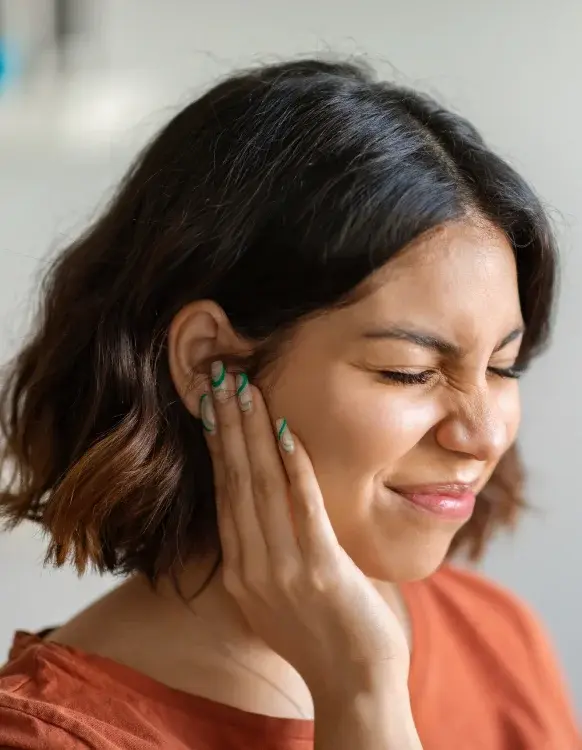
You Should Not Have to Live with Jaw Pain
The temporomandibular joints, commonly referred to as the TMJ, are the two hinge joints that connect your lower jaw to your skull. These joints work constantly, every time you chew, speak, yawn, or swallow. When something disrupts their function, the resulting discomfort can range from mild jaw soreness to debilitating pain that radiates into the face, neck, and head. TMJ disorder, also called TMD, is one of the most common sources of chronic facial pain and unexplained headaches, yet many patients go years without realizing that a dental solution exists.
At Smiles of Punta Gorda, we take TMJ symptoms seriously. Rather than simply managing pain with medication, we identify the underlying cause and address it with a targeted treatment approach. For the majority of patients, a custom-fitted mouthguard is a highly effective solution that relieves pressure on the jaw joints, prevents teeth grinding, allows the muscles to relax, and protects the teeth from further damage. If you have been waking up with headaches, experiencing jaw stiffness in the morning, or noticing that your teeth feel sore or worn, it is worth scheduling an evaluation with our team.
Find Relief From Jaw PainRecognizing the Signs of TMJ Disorder and Bruxism
TMJ disorder and bruxism, the clinical term for teeth grinding and clenching, frequently occur together and share many of the same symptoms. Because the pain they cause often mimics other conditions, they frequently go undiagnosed. Common signs to watch for include:
- Persistent jaw pain or tenderness, particularly in the morning
- A clicking, popping, or grating sensation when opening or closing the mouth
- Difficulty fully opening the mouth or a feeling that the jaw locks in place
- Chronic headaches or migraines, especially upon waking
- Facial pain or soreness around the temples, cheeks, or ears
- Neck and shoulder tension that does not have an obvious cause
- Teeth that appear flattened, chipped, or worn down
- Increased tooth sensitivity to hot and cold
- Disrupted sleep for you or your partner due to nighttime grinding sounds
If several of these symptoms sound familiar, a TMJ evaluation at Smiles of Punta Gorda is an important next step. Many patients are surprised to discover that jaw dysfunction was the source of symptoms they had attributed to tension, stress, or other unrelated issues.
Why a Custom Mouthguard Outperforms Store-Bought Options
We strongly advise against relying on drugstore boil-and-bite mouthguards for TMJ or bruxism treatment. While they may seem like a convenient and low-cost alternative, they are rarely effective and can, in some cases, make symptoms worse by altering the bite in unintended ways. A custom mouthguard fabricated from precise impressions of your teeth is calibrated to your specific bite, fits securely without slipping, and is made from durable materials designed for extended therapeutic use. The difference in comfort, effectiveness, and longevity is significant.
How We Treat TMJ Disorder at Smiles of Punta Gorda
Effective TMJ treatment begins with understanding the specific nature and severity of your symptoms before any appliance is made. Our process is thorough and individualized, ensuring that the custom mouthguard or repositioning appliance we provide is calibrated precisely to your bite and your clinical needs rather than a generic template.

1
Comprehensive TMJ Evaluation
We begin with a thorough evaluation of your jaw joints, bite, and surrounding musculature. We will discuss your symptoms in detail, examine how your jaw opens and closes, check for tenderness, and assess the condition of your teeth for signs of grinding-related wear. This evaluation gives us the information we need to recommend the most appropriate treatment.
2
Digital Impressions
If a custom mouthguard is recommended, we take precise digital impressions of your teeth. This process is quick, comfortable, and entirely mess-free, capturing the exact dimensions of your bite so your appliance can be fabricated to fit perfectly.
3
Custom Mouthguard Fabrication
Your impressions are sent to one of our trusted dental laboratories where a custom mouthguard is crafted from high-quality materials. The appliance is designed specifically for your bite and symptoms, whether you need a nightguard for bruxism, a repositioning appliance for TMJ disorder, or both.
4
Fitting and Adjustment
When your mouthguard is ready, you return to our office for a fitting. We check the fit carefully and make any fine-tuned adjustments to ensure the appliance sits correctly, feels comfortable, and functions as intended.
5
Ongoing Monitoring
We monitor your progress at follow-up visits to assess how your symptoms are responding to treatment and whether any adjustments to your care plan are needed. Many patients experience significant improvement within the first few weeks of consistent mouthguard use.
What Causes TMJ Disorder and Teeth Grinding
TMJ disorder and bruxism can develop from a variety of causes, and in many patients, multiple contributing factors are present at the same time. Common causes and risk factors include:
- Stress and Anxiety – Psychological stress is one of the most significant contributors to both TMJ disorder and teeth grinding. When stress levels are high, many people unconsciously clench their jaw or grind their teeth, particularly during sleep. Over time, this places enormous strain on the jaw joints and surrounding musculature.
- Bite Misalignment – An uneven bite, including overbites, underbites, and crossbites, can create imbalanced forces on the jaw joints and muscles. This chronic imbalance is a common underlying driver of TMJ symptoms.
- Sleep Disorders – Research has established a strong connection between sleep apnea and bruxism. Patients who experience disrupted breathing during sleep are significantly more likely to grind their teeth.
- Injury or Trauma – A direct injury to the jaw, head, or neck, including whiplash, can damage the TMJ and surrounding structures, leading to chronic dysfunction and pain.
- Habits and Posture – Habitual behaviors such as chewing on one side, nail biting, chewing gum excessively, or resting the chin on a hand can contribute to TMJ stress over time. Poor posture, particularly forward head posture common among desk workers, also places strain on the jaw and neck muscles.
Insurance and Financing for TMJ Treatment
Coverage for TMJ treatment and custom mouthguards varies by insurance plan. Night guards prescribed for bruxism or TMJ disorder are often covered as a medically necessary appliance under dental insurance, though the extent of coverage depends on your specific plan. Our front office team will verify your benefits before your appointment and provide a clear picture of your coverage and any out-of-pocket costs.
For patients who need assistance managing their costs, we offer financing through CareCredit and Cherry, both of which provide flexible monthly payment options with a straightforward application process.
Ready to Stop Living With Jaw Pain and Headaches?
If TMJ disorder, teeth grinding, or chronic jaw discomfort has been affecting your daily life, relief is closer than you think. Contact Smiles of Punta Gorda today to schedule your TMJ evaluation in Punta Gorda, FL. Our team will assess your symptoms, explain your options, and help you find a treatment approach that works for your situation.
Schedule Your TMJ EvaluationFrequently Asked Questions
About TMJ Treatment
TMJ disorder, also called TMD, refers to a group of conditions affecting the temporomandibular joints and the muscles that control jaw movement. Unlike occasional jaw soreness from eating something tough or yawning too wide, TMD involves persistent dysfunction of the jaw joints themselves and typically produces a consistent pattern of symptoms including clicking or popping sounds, limited jaw movement, chronic headaches, and facial pain. Normal jaw soreness resolves on its own within a day or two, while TMD symptoms tend to persist or worsen without treatment.
Many people who grind their teeth during sleep are unaware of the habit until a partner mentions hearing the sounds or a dentist notices the telltale signs during an exam. Common indicators include waking up with jaw soreness or headaches, increased tooth sensitivity, teeth that appear flattened or chipped, and indentations along the sides of the tongue. If you suspect you may be grinding your teeth, scheduling a dental evaluation is the most reliable way to confirm it.
For most patients, a custom mouthguard is a highly effective management tool that addresses the primary drivers of TMJ symptoms by reducing the forces placed on the jaw joints during grinding and clenching. It allows the jaw muscles to relax, prevents further tooth damage, and significantly reduces pain for the majority of patients who use it consistently. Whether it constitutes a permanent fix depends on the underlying cause. Patients whose TMD stems primarily from bruxism often experience long-term relief with consistent mouthguard use, while those with structural joint issues may require additional treatment over time.
Yes. Psychological stress is one of the most common contributors to both TMJ disorder and bruxism. When people are stressed, they frequently clench their jaw or grind their teeth without realizing it, particularly during sleep. Addressing stress through lifestyle changes, relaxation techniques, or professional support can complement dental treatment and help reduce the frequency and intensity of TMJ symptoms.
The process typically involves two appointments. At your first visit we take digital impressions of your teeth and send them to our dental laboratory. Most custom mouthguards are ready within one to two weeks. You then return for a fitting appointment where we check the fit and make any necessary adjustments before you take it home.
Many patients experience a significant and lasting reduction in TMJ symptoms with consistent mouthguard use, including relief from jaw pain, headaches, and facial soreness. The degree of improvement varies depending on the severity of the condition and the underlying cause. During your evaluation, our team will give you a realistic picture of what to expect based on your specific situation.
Coverage for TMJ treatment varies by insurance plan. Custom mouthguards prescribed for bruxism or TMJ disorder are often covered as a medically necessary appliance under dental insurance, though the extent of benefits differs from plan to plan. Our front office team will verify your coverage before your appointment and help you understand your out-of-pocket costs. Financing through CareCredit and Cherry is available for patients who need help managing their portion of the cost.
Yes, though it is less common in young children than in adults. Teens and adolescents, particularly those who experience high levels of stress or who have bite misalignment issues, can develop TMJ symptoms and bruxism. If your child is complaining of jaw pain, morning headaches, or you have noticed them grinding their teeth, it is worth having them evaluated at our Punta Gorda dental office so we can assess the situation and recommend appropriate care.